Carrier Intelligence Guides
Practical, step-by-step guides for verifying carriers, detecting fraud, and building a safer freight operation.

How to Keep FMCSA Data Fresh: The 2026 Reconciliation Playbook
FMCSA is not one dataset. It is five clocks. Operating authority moves in near real-time, safety scores recalculate monthly, and the census a carrier's identity rides on only refreshes every two years. Treat all of it as one file you re-download on a schedule and you are always quoting something that went stale on a clock you weren't watching.

Interpreting MCS-150 Data: A Field-Level Guide to What Carrier Records Actually Tell You
The MCS-150 looks like an operational snapshot. It is a self-reported regulatory filing, and reading it as the former is how good carrier decisions go wrong.
Broker liability after Montgomery v. Caribe Transport II: a working reference for freight brokers
On May 14, 2026, the U.S. Supreme Court ruled unanimously that freight brokers can be sued under state law when they negligently hire unsafe motor carriers. The federal preemption defense brokers had relied on for years is gone. What replaces it is a state-by-state common-law duty of ordinary care in carrier selection, measured against what a reasonably careful broker would have done with the data reasonably available. For working brokers, the practical question is no longer whether Montgomery v. Caribe Transport II changed the law. It did. The question is what your vetting record looks like the next time a plaintiff's attorney subpoenas it.

FMCSA API Alternatives: A Complete Guide to Carrier Data APIs (2026)
The FMCSA's official QCMobile API is free, but it has hard limits that make it unworkable for most production use cases: a 50-result cap per query, weekly data updates, and no decision-maker contacts, technology stack data, or bulk download. If you've hit those walls, you're looking for a commercial alternative.

How to Evaluate a Carrier Intelligence Platform: A Buyer's Guide for Freight GTM Teams
Most teams selling into trucking start by trying to build a prospect list from FMCSA data, realize the data is stale, incomplete, and full of duplicates, and then spend six months shopping for a platform without knowing what to evaluate. This guide is the framework we wish existed then.

Why Sold Authorities Are Risky | Red Flags, Hidden Gaps, and What to Check
A sold authority is risky when the age of the paperwork becomes more convincing than the reality of the operation. The problem is not just that authority changed hands. The problem is that an older MC number can make a company look safer, older, and more credible than the current business behind it really is.
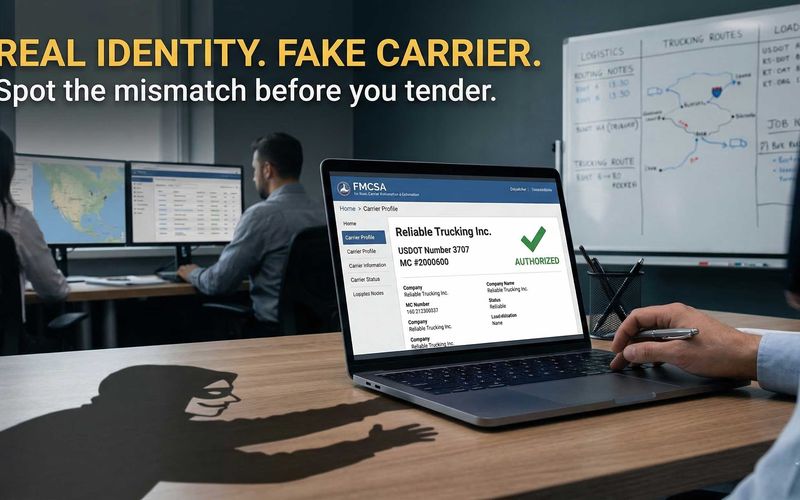
Identity Theft in Trucking | Red Flags, Checks, and How to Protect Your Loads
Identity theft in trucking happens when the company you verify is not the company you are actually dealing with. A real DOT number or familiar carrier name can create false confidence if the contact, dispatch, or authority story does not truly belong to that business.

What Is an MC Number Sale? | Risks, Red Flags, and What to Check
A sold MC number can make a carrier look older and more established than it really is. Sometimes that reflects a legitimate business transfer. Sometimes it means the paper identity changed hands faster than the underlying risk did. The key is not whether an authority changed owners — it is whether the company behind it still makes sense.
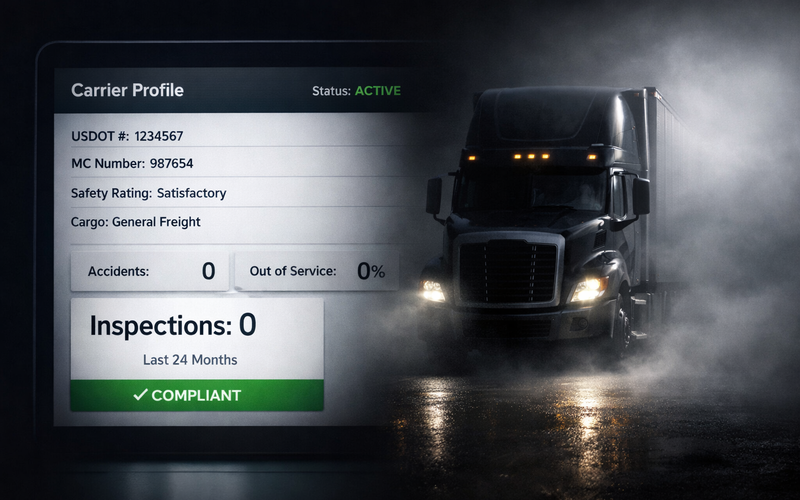
No-Inspection Carrier Risk | What Zero Inspections Can Really Mean
Zero inspections does not mean zero risk. A no-inspection carrier may be legitimate, but it also means you have less operating evidence to work with. The real question is not whether the profile looks clean — it is whether the company’s story makes sense without inspection history to support it.

How to Prevent Double Brokering | Red Flags, Checks, and Best Practices
Double brokering usually works because someone moved too fast. A strong prevention process helps your team verify who is actually hauling the load, whether the carrier is authorized for the role it is claiming, and whether the story holds up before freight is tendered. The goal is not just to check that a company exists. It is to make sure the right company is actually moving the freight.
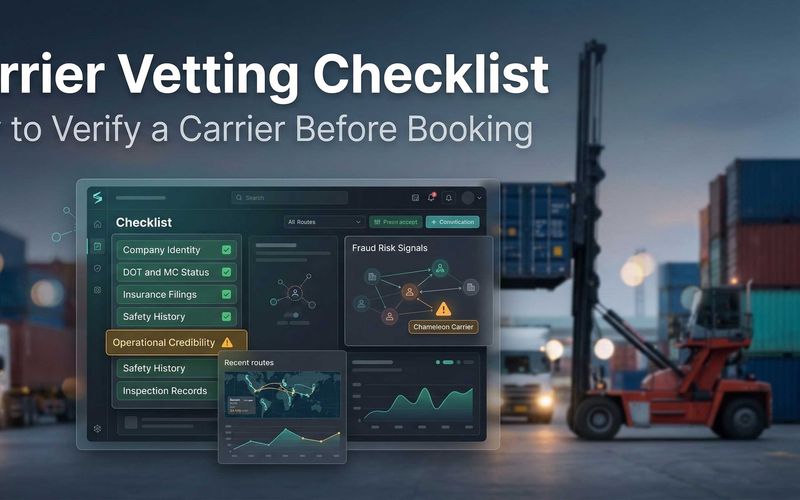
Carrier Vetting Checklist | How to Verify a Carrier Before Booking
Not every bad carrier looks bad on paper. Some have active authority, insurance on file, and a clean-looking profile. A strong carrier vetting checklist helps your team look beyond the surface by checking identity, authority, insurance, safety history, operating credibility, and fraud signals before a load is booked. The goal is simple: not just to confirm the carrier exists, but to confirm the carrier actually makes sense.
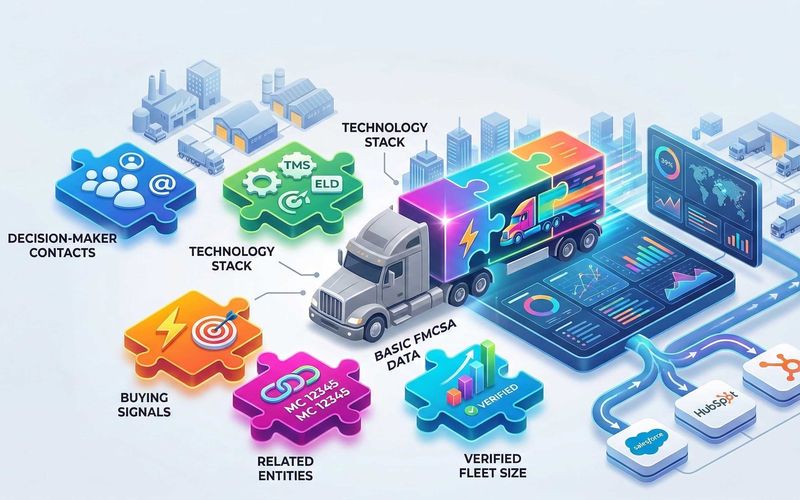
How to Prospect With FMCSA Data
This guide covers exactly how to build a carrier prospect list from FMCSA data, what fields are useful for prospecting, what FMCSA misses, and how to enrich your FMCSA carrier list with the contacts, technology stack intelligence, and buying signals that turn a regulatory database into a qualified pipeline.
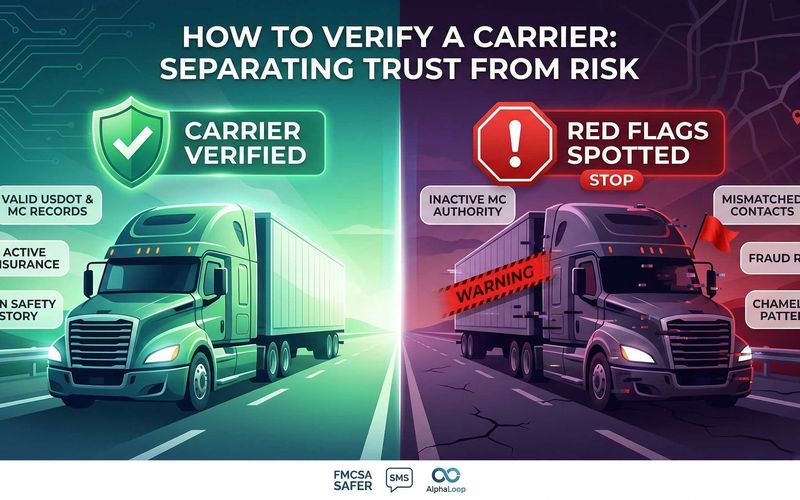
How to Verify a Carrier
Learn how to verify a carrier using DOT and MC records, FMCSA data, safety history, insurance, and fraud checks — plus what basic public tools miss.
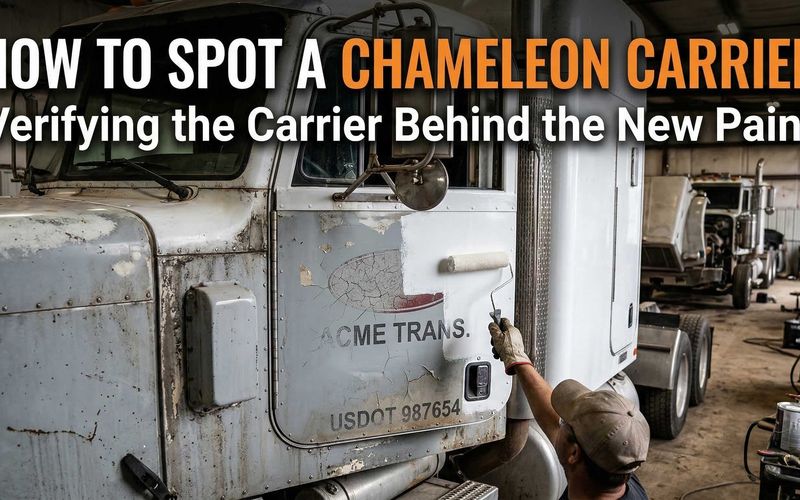
How to Spot a Chameleon Carrier
Verifying a carrier means more than checking whether a USDOT number exists. A proper carrier verification workflow should confirm the company's identity, active authority, insurance, and safety history — and also catch fraud red flags like mismatched contact information or suspicious profile changes. FMCSA provides the core public systems for this, including SAFER, SMS, and Licensing & Insurance, but users still have to piece the workflow together themselves.
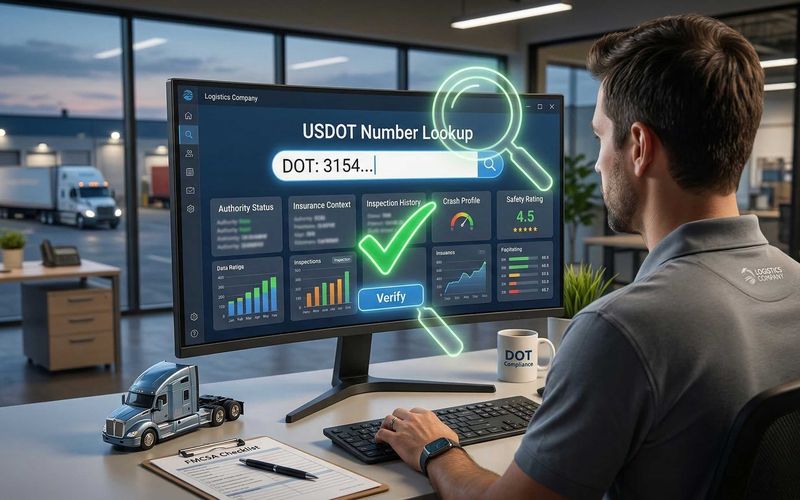
How to Check a DOT Number | What to Look For in FMCSA and SAFER
If you are onboarding a carrier, prospecting fleets, or trying to verify whether a trucking company is legitimate, one of the first things you should do is check the DOT number. A USDOT number is the identifier FMCSA uses for safety and registration tracking, and the official FMCSA/SAFER tools let users search by DOT number, MC/MX number, or company name. But a DOT lookup is only useful if you know what to look for.
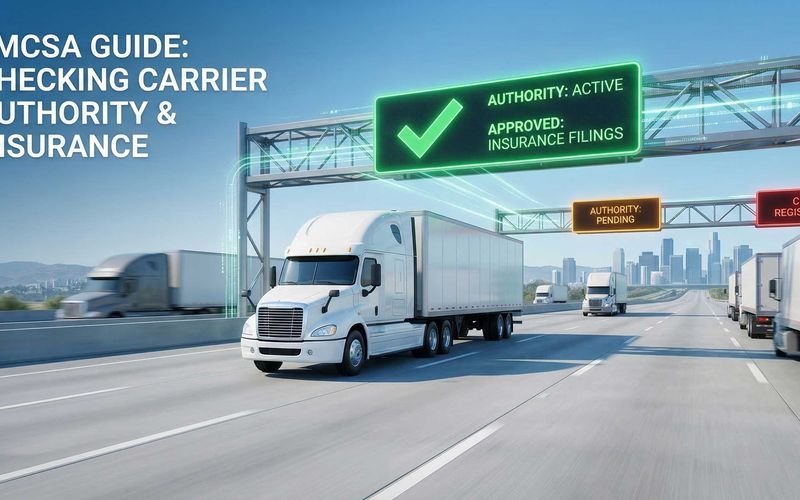
How to Check a Carrier’s Insurance and Authority | FMCSA Guide
Learn how to check a carrier’s insurance and operating authority using FMCSA. See where to verify MC status, insurance filings, and the red flags to watch before onboarding a carrier.
Stop guessing. Start verifying.
AlphaLoops automates carrier verification, fraud detection, and safety monitoring so your team can move faster with less risk.
Request a Demo